
Lochearn City Directory Collections
Lochearn never had a stand-alone municipal directory. That gap shapes every search. The Maryland State Archives inventory of Baltimore directories offers the clearest shelf map, and it also identifies City & Suburbs, Suburban, and Baltimore Suburban editions. Suburban volumes often beat a city-only title. Still, coverage has to be confirmed inside the volume itself. A street or household may sit under a metropolitan label rather than the name Lochearn.
| Collection | Years | Where Held | Access |
|---|---|---|---|
| Early Baltimore directories | 1752; 1796; 1800-1838; 1842; 1858 | Maryland State Archives and listed institutions | Repository-by-repository; mostly Baltimore proper |
| Polk's city directories | 1893-94, 1895, 1897-1909, 1912-1923, later scattered editions | MSA, Hornbake, Johns Hopkins, Enoch Pratt, and selected Archive.org copies | Print, microfilm, or electronic copy depending on year |
| City & Suburbs, Suburban, and Baltimore Suburban | 1955; 1957; 1959; 1963; 1964 | MSA and the repositories listed in its inventory | Check each edition's geographic scope |
| U.S. city and telephone directory microform | 1752-1860 microfiche; 1861-1930 microfilm | Baltimore County Public Library | Ask the library about the exact reel or fiche |
These are documented runs, not a guarantee. No edition prints every Lochearn street or surname. The inventory links electronically to many Polk's years, among them 1901-1905, 1912-1915, and 1920-1923. Suburban editions run through 1964. Before a listing enters a family history, note the edition, the page, and whether the entry came from the alphabetical portion or the street portion. The Archives directory inventory shows the mix of city and suburban collections behind any Lochearn city directory search.
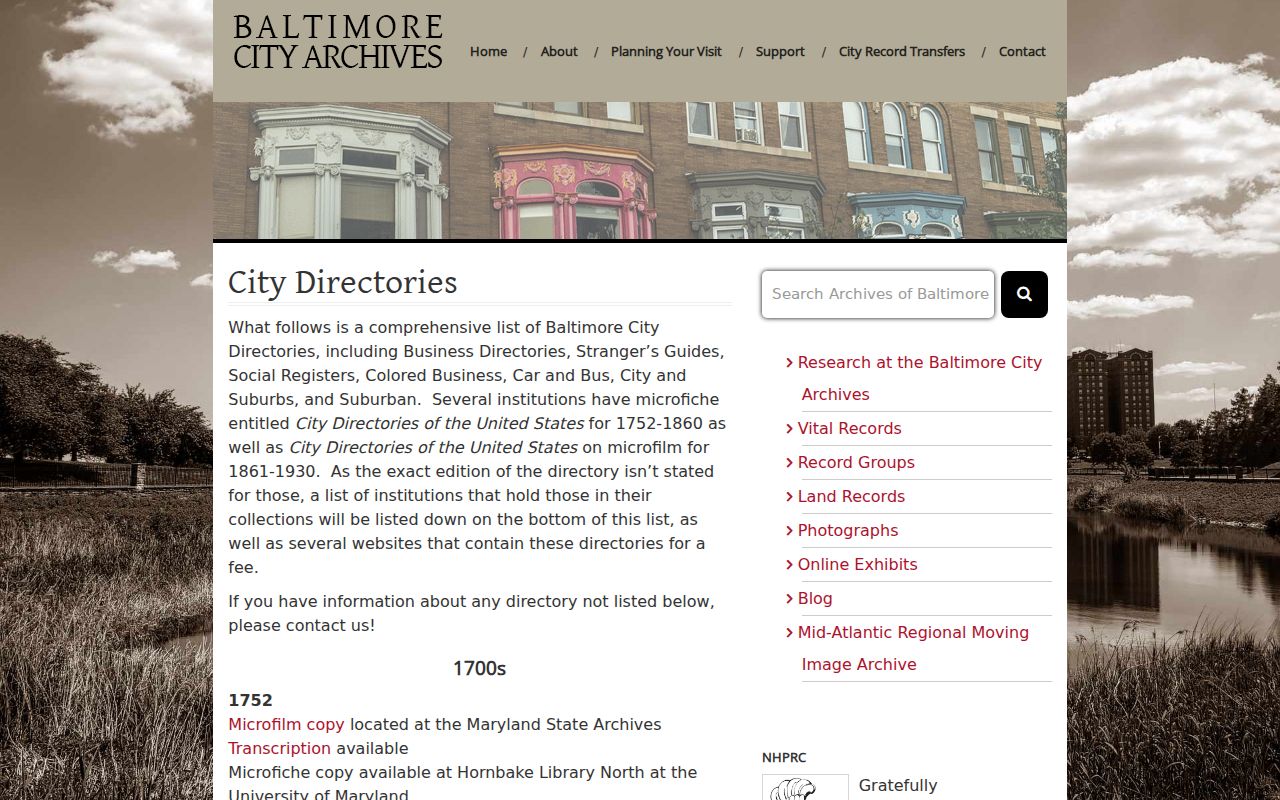
Let the inventory point to a likely edition. Then test the place name and the address inside that volume instead of trusting the title to settle coverage.
Lochearn City Directory Labels
A directory heading that reads “Baltimore” proves little. Lochearn is a Baltimore County CDP pressed against the city line. It never sat inside the city. Even so, its records may carry Lochearn, Woodlawn, Gwynn Oak, Milford Mill, Baltimore County, or plain Baltimore as the label. Search every label twice. Check the alphabetical portion, then the street portion. A cross street can tip the balance. So can a subdivision name or a later parcel legal description when the question is whether two hits belong to the same place. The tangle comes from Lochearn's growth west of the city line rather than from any verified renumbering event. The county plan adds Forest Garden and Haywood Heights. Older material may follow a broader Woodlawn or Baltimore label, so treat a directory as a geographic starting point rather than the final word on custody. When a clue leads toward county-era records, the Maryland State Archives Baltimore County series list makes a sensible next check.
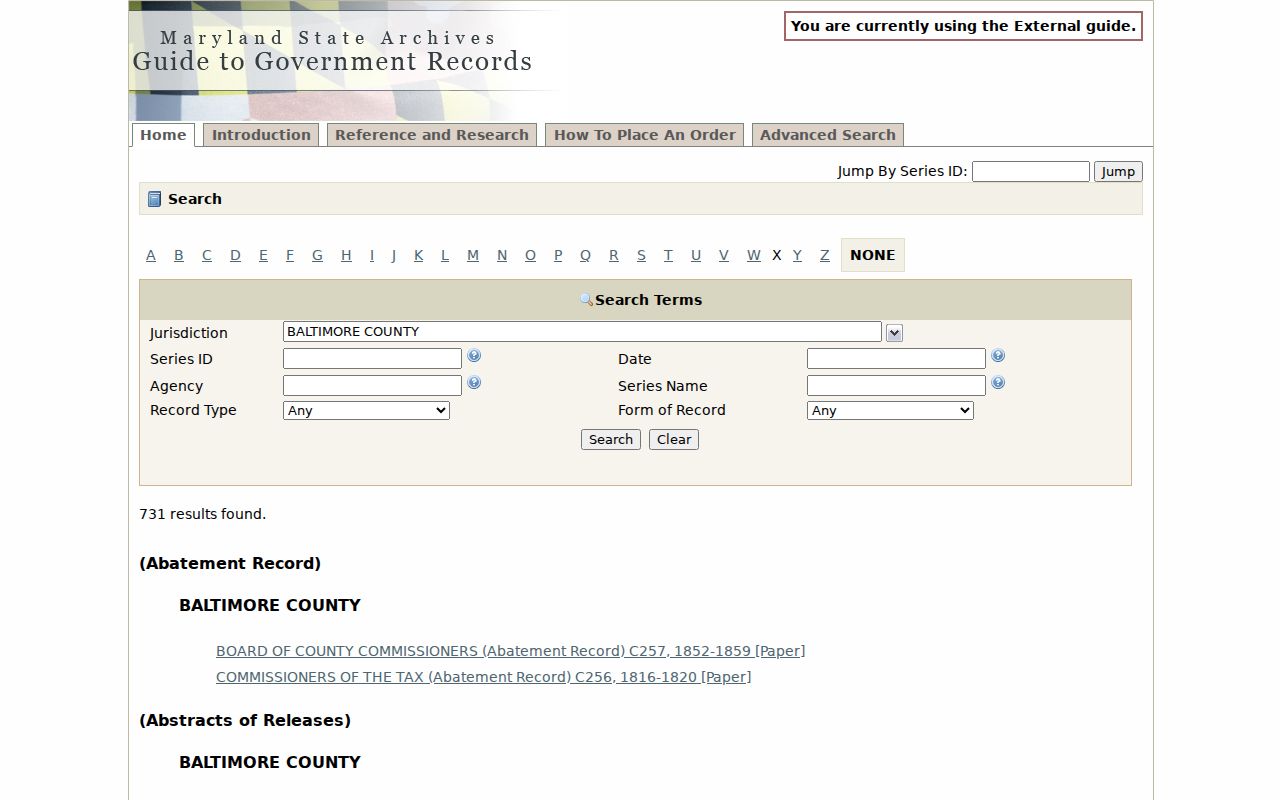
A regional label is not a custodian. The county series catalog separates the two by naming the office that actually holds the follow-up record.
Lochearn City Directory Access Tip
Call ahead before visiting the Woodlawn Branch of Baltimore County Public Library. Ask about the exact year, format, and branch access for any Lochearn directory you want. The branch sits at 1811 Woodlawn Drive, Baltimore, Maryland 21207-4074, and its listed phone is 410-887-1336. Listed hours run Monday through Thursday, 9 a.m. to 8 p.m., and Friday and Saturday, 9 a.m. to 5 p.m., with Sunday closed. No fixed Lochearn directory shelf is identified on the official research pages. A quick call or catalog request saves you from assuming a particular reel is waiting on site.
BCPL also supplies companions worth knowing about. Ancestry Library Edition works at a branch. HeritageQuest runs remotely with a library card. Baltimore Sun access and Gale newspaper resources round out the offerings. The microform bridge is valuable, though a directory year still needs checking against the repository's holdings. Interlibrary loan or reference-desk help may be the practical fallback when an item is not local.
The BCPL research database directory shows the archival and newspaper tools available through the county library system.
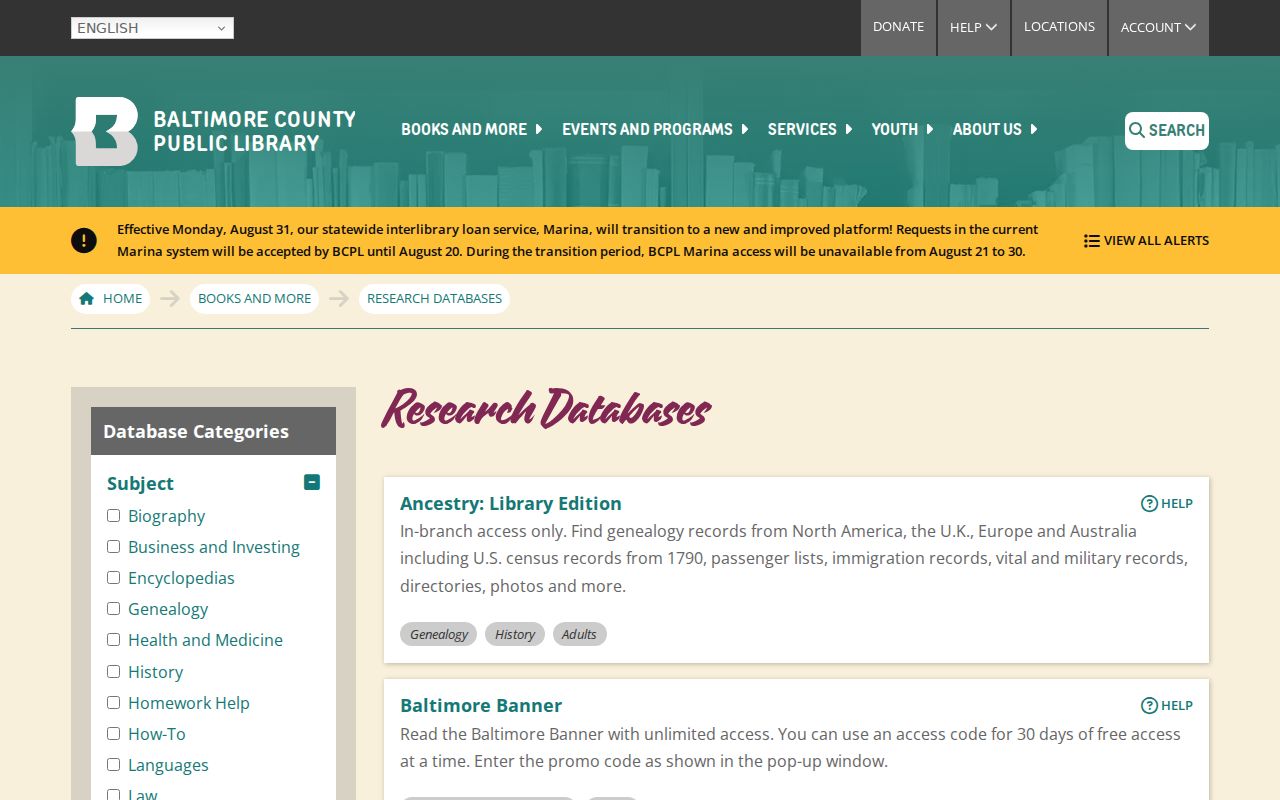
A directory entry is stronger with company. Pairing it with a library database can confirm a date, a name variant, or an event. That confirmation does not make the directory complete.
Note: A listed edition can omit a street, a household, or a person who never participated in that publication.
Lochearn City Directory Help at the Historical Society
The Historical Society of Baltimore County library offers a non-digital path when a Lochearn city directory search needs context. Its old Almshouse library holds more than 4,300 shelved volumes. Add 4,400 genealogy surname files, 2,600 vertical-file folders, 1,200 maps, cemetery-inscription files, photographs, ledgers, clippings, and limited Baltimore City and County directories. Instead of requesting every item about Lochearn, give staff a surname, street, church, school, cemetery, organization, or community name.
Nothing circulates. Listed hours are Friday and Saturday, 10 a.m. to 2 p.m. Members enter free; non-members pay $10 admission. Volunteer help is free when time permits. Mail research runs $15 per hour for members and $25 per hour for non-members. The limited directory shelf pairs well with the maps, photos, and surname files when an address or spelling shifts across sources.
The Historical Society library page describes the local-history holdings and access conditions.
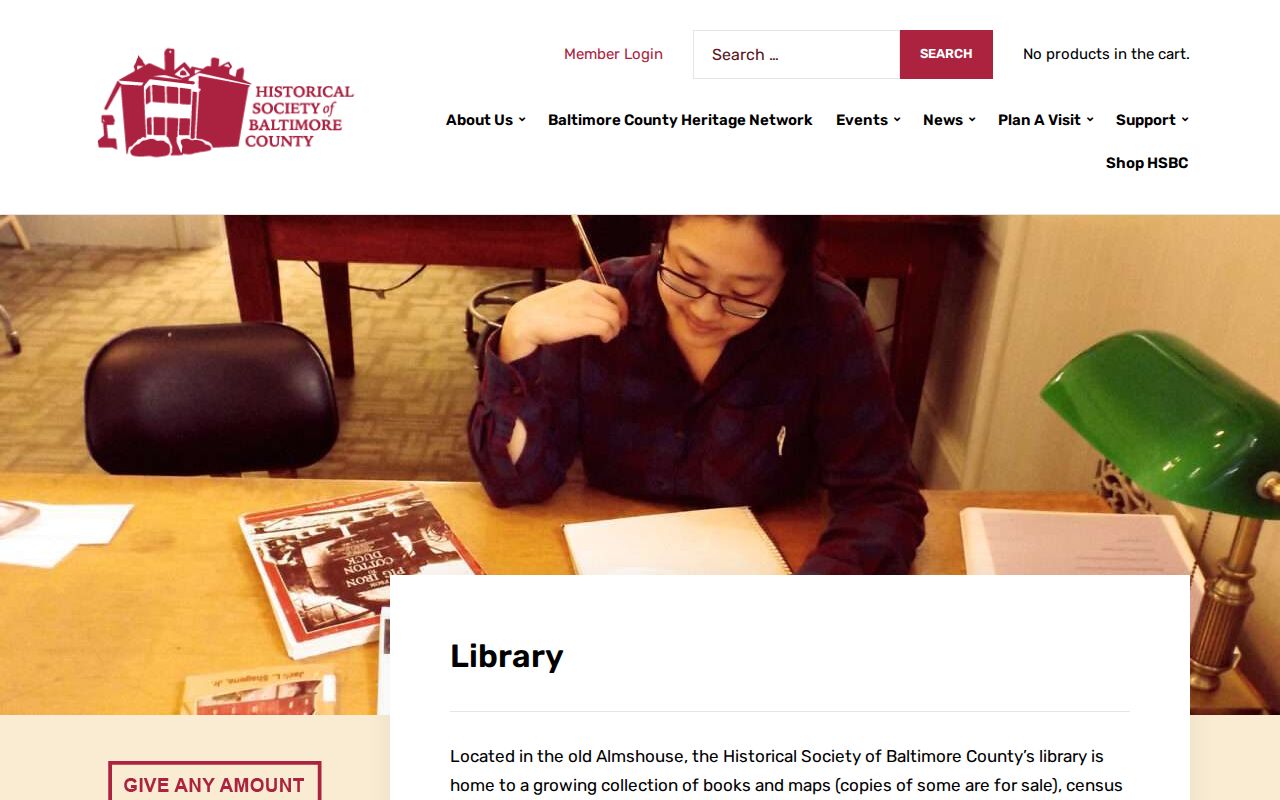
The society's map, surname, cemetery, and photograph files add real context once a Lochearn directory search turns up a name or an address.
Reading a Lochearn City Directory Entry
Start with the edition's abbreviation key. Do not expand any shorthand from memory. The exact Lochearn-address scan and its key were never text-inspected here, so a guessed expansion could corrupt the record. A standard city directory packs each household or business into a single compact entry, while the reverse section flips the route and leads with the street and house number instead of the name. Copy punctuation, initials, and page numbers exactly as printed. Small differences often separate two people who share one surname in the residents directory.
| Name line | Surname, given name or initials, and sometimes a spouse or household notation. |
|---|---|
| Address | Street number and street name, or a business address where the edition uses one. |
| Trade or business line | A distinguishing detail that may separate same-name people, but not a full biography. |
| Residency shorthand | Edition-specific symbols or abbreviations; consult that volume's key before assigning a meaning. |
| Street section | House number, occupant or householder, neighboring entries, and cross-street context when printed. |
- Criss-cross directory
- A reverse section arranged by street and number instead of surname, used to compare nearby entries.
- Householder index
- An index that identifies the person a publisher chose to represent at an address; it is not a list of every person there.
- Abbreviation key
- The edition's printed explanation of its symbols, often near its front matter; copy it with the entry before interpreting shorthand.
Treat the entry as evidence of how that publisher recorded a person at that moment. It never proves that every family member, boarder, or unlisted telephone user was absent from the Lochearn address.
When a Lochearn City Directory Goes Quiet
A blank line in a Lochearn city directory can mean almost anything. A move, a marriage, a death, or a spelling shift will all hide a household. Publishers also skipped suburbs and omitted boarders, children, and subscribers without listed phones. Coverage was never complete, so one silent edition settles nothing. Pull the editions on each side of the gap. Then work the street section to see if the address shows a different householder. That is how a gap becomes a clue. The Baltimore Heritage house-history research guide connects directories with census schedules, newspapers, public records, and local libraries. Treat them all as one body of evidence.
One directory line alone is thin evidence. A result holds up when the entry and a second dated source both point to the same Lochearn address and person.
Trace Lochearn City Directory Households
A city directory works best as a sequence, not a snapshot. Start with the edition closest to a known address or name. Then work backward and forward through the run. The federal census pairs well with it. Its schedules become public under the 72-year rule. The open run now reaches 1950. BCPL's Ancestry Library Edition and HeritageQuest are practical routes to those images and indexes. Keep in mind that a census may label the same place differently. It may use a township, precinct, county subdivision, or a metropolitan name rather than Lochearn. So hold onto the street and the neighbors' names. You will want them when you compare it against the directory.
- Find the earliest nearby directory entry and record spelling, initials, street address, page, publisher, and repository.
- Check the same surname in the next and prior available editions, noting a changed address or spouse notation without assuming a relationship.
- Use the street section to compare house numbers, cross streets, and neighboring entries in that same edition.
- Pair the nearest directory year with a 1920, 1930, 1940, or 1950 census household, preserving the census geography.
- Use a deed, obituary, probate file, church record, school notice, or cemetery evidence to test the transition.
Log every source, and keep alphabetical listings separate from reverse listings. A household sequence beats any single line. It preserves both the directory's limits and the person's changes over time. When a historical name needs current records, the Lochearn resident lookup lists the official-record paths that exist today. Note: Census and directory entries describe dated records, not a current roster for a Lochearn address.
Lochearn City Directories and Streetcar Growth
Lochearn grew as a streetcar suburb west of Baltimore City. Much of its building boom came around World War I. The county plan groups it with nearby communities such as Villa Nova, Forest Garden, and Haywood Heights. Older roots run deeper. An 1877 atlas names the Loch Earn farm. It is a reminder that this land was rural long before the trolleys arrived. For anyone tracing a family through a Lochearn residents directory, that layered past matters. A trail can drift from farm records into a metropolitan street directory. It can then drift into postwar county records, all without the place name ever changing.
| 1877 | The Loch Earn farm appears in the atlas context cited by the county plan. |
|---|---|
| World War I era | Lochearn grows as a streetcar-era suburb west of Baltimore City. |
| 1955-1959 | City & Suburbs and Suburban editions documented in the MSA inventory provide regional address leads. |
| 1963-1964 | Baltimore Suburban and City Directory editions appear in the documented directory inventory. |
Baltimore County keeps rich land records. Grantor and grantee indexes, plus tract indexes, can anchor a Lochearn resident lookup. The street geography shifts across directory volumes. A precise Lochearn directory run covering every street has not been documented. No renumbering date is on record either. Treat those gaps honestly in your notes rather than forcing a match. The property rolls and deed indexes still carry the trail forward.
After a Lochearn City Directory Trail Ends
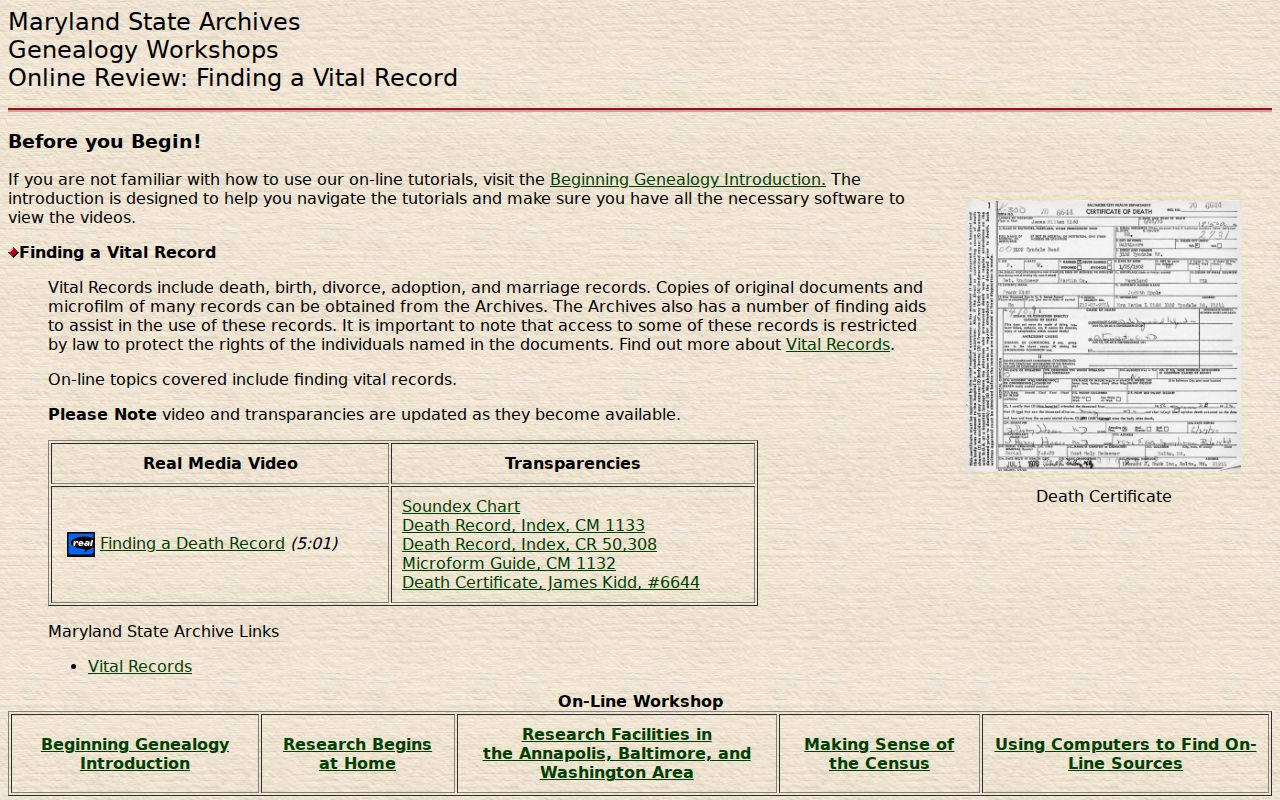
When a Lochearn city directory trail runs dry, other records pick it up. Newspapers, cemetery inscriptions, photographs, and archive files can all supply a fresh dated point. BCPL's Baltimore Sun access surfaces obituaries, legal notices, and school items. Gale adds organization news and marriage announcements. The Historical Society's cemetery files, maps, photos, surname folders, and clippings offer more. Search the name with Lochearn, Gwynn Oak, Woodlawn, Milford Mill, Baltimore County, and Baltimore variants. The Maryland State Archives vital-record research workshop maps out historical record routes. It also explains their access limits.
Confirm the endpoint with archival vital, probate, cemetery, or newspaper evidence. Follow the access rules that govern each record type.